Demystifying the Sinus Lift: The Crucial Step to Lasting Dental Implants
Residents of Chattanooga, Tennessee, rely on the team at Cannon Oral Surgery for outstanding dental implant services. But sometimes, getting a dental implant requires a few extra steps. A sinus lift is often required before placing an implant, but most people are unfamiliar with this oral surgery procedure.
Here’s what you need to know about why sinus lifts are sometimes necessary, what happens during these procedures, and how it factors into your journey toward dental implants.
Sinus lifts build a better foundation for dental implants
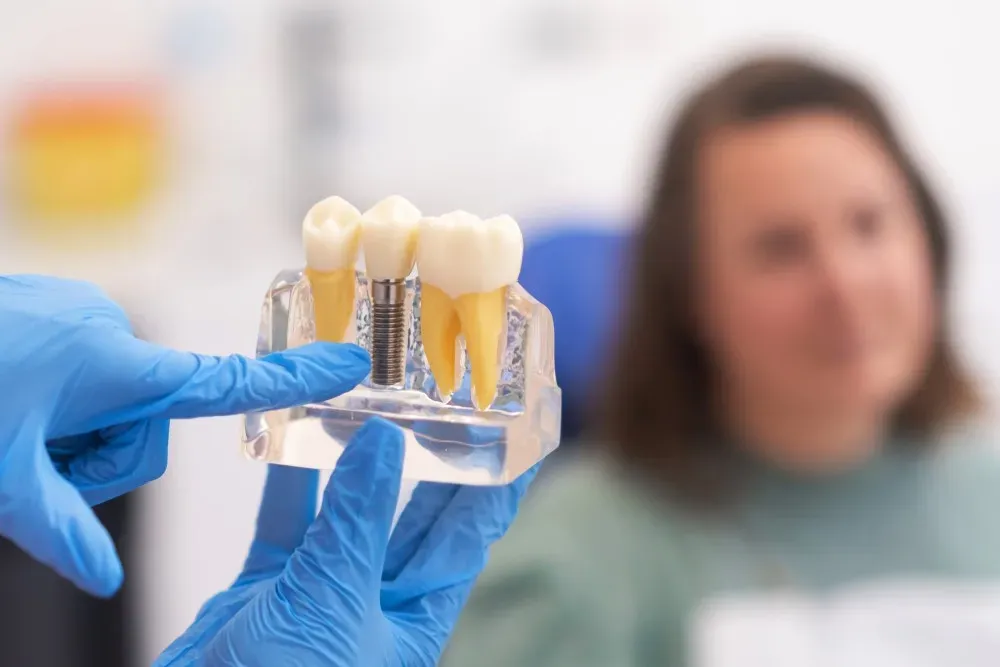
One of the things that makes dental implants a permanent tooth replacement option is that the post portion of an implant is anchored directly into your natural bone tissue. But for an implant to achieve a secure attachment, you need enough bone to create a strong foundation.
Many people lack the bone height or density to secure dental implants. That’s where a sinus lift comes in. This procedure creates space in your upper jaw for bone grafting.
There are several reasons you might need a sinus lift. Some people have lost bone due to advanced periodontal disease. For others, losing a tooth starts the bone-loss process. Previous trauma or oral surgical procedures can leave you with less bone in this area. Some people also have larger sinus cavities and less bone.
Here’s how a sinus lift is done
There are several ways to approach a sinus lift. But they all share the same goal: creating additional space in the upper jaw to place bone grafting material.
Sinus lifts are always done with local anesthesia to prevent pain during the procedure. Sedation is also common, and you can choose from a few different methods.
Once you’re resting comfortably and totally numb, Dr. Cannon creates an incision in your gum tissue to access the underlying bone. He then carefully cuts a “window” or section of bone and lifts it upward into the sinus cavity. This lifts the sinus membrane and creates an open space below.
Next, the surgeon places bone grafting material in the newly created space. This material can come from your own body, a human or animal donor, or could be created from artificial materials. Next, the incision in your gums is closed, and healing begins.
Over the following weeks, your natural bone tissue fuses to the grafting material, creating a strong foundation that can support a dental implant. Once the healing process is complete, the grafted material will work much like your natural bone tissue.
What to expect during the sinus lift recovery process
Mild-to-moderate soreness is normal for a couple of days after your sinus lift. You can usually manage discomfort with over-the-counter pain medication. You should be back to your normal routines within a few days. Some swelling and mild bleeding are also normal.
At first, take care to avoid placing any undue pressure on your jaw. This includes avoiding sneezing or blowing your nose forcefully. Sleeping with your head elevated for a short time can help, and choosing soft foods is important to give your gums time to heal.
In general, bone grafting takes 4-12 months to fully heal. At your personalized consultation, you’ll discuss what to expect in terms of treatment timelines.
If you’re ready to book your sinus lift, or have lingering questions or concerns, the best way to find more information is to book a visit at Cannon Oral Surgery. We offer online booking in addition to phone-based scheduling, making it easy to reach us at a time that’s convenient for you.